

News
IIS La Fe identifies a blood protein that could help predict complications after heart transplantation
Research Networking Center in Cardiovascular Diseases (CIBERCV) has identified a blood protein that could help anticipate one of the most serious complications following heart transplantation: early graft dysfunction. This occurs when the transplanted organ does not function properly during the first hours or days after surgery.
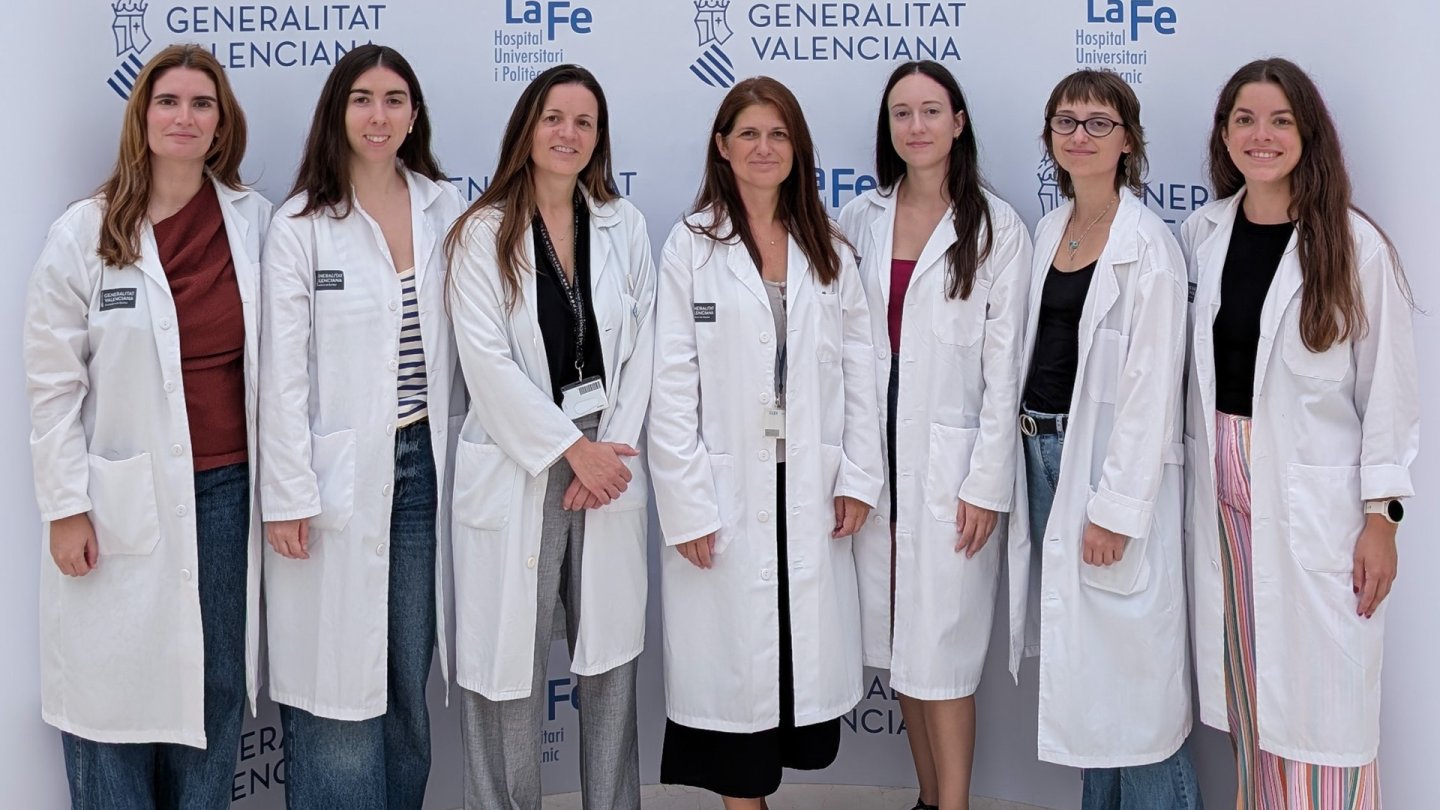
The results, published in the scientific journal Journal of Cardiac Failure, indicate that elevated blood levels of the NOP58 protein before transplantation are associated with a higher risk of developing this complication. In the future, this finding could help identify patients at greater risk more accurately and tailor their clinical follow-up before and after surgery.
Heart transplantation is a treatment option for patients with advanced heart failure. However, the period following surgery is particularly critical, as early graft dysfunction is one of the leading causes of early mortality after transplantation.
In this study, the researchers analysed blood samples collected before surgery and found that patients with higher NOP58 levels were more likely to experience early graft dysfunction.
They also found that combining this biomarker with clinical variables improved the ability to identify patients at greater risk of developing the complication.
Identification of biomarkers
"Identifying biomarkers that can predict complications before transplantation is an important step towards more personalised medicine," said Esther Roselló, head of the Clinical and Translational Research Group in Cardiology. "These tools could help improve risk stratification and enable healthcare professionals to provide more individualised care to patients," the researcher added.
Beyond its potential clinical applications, the study provides new insights into the role of epitranscriptomic mechanisms in complications associated with heart transplantation. The authors point out that NOP58 is involved in fundamental cellular regulation processes, opening up a new line of research to better understand the biological processes that influence outcomes in transplant recipients.
The study is part of the research lines developed by IIS La Fe to improve the prognosis and quality of life of people with advanced heart failure who undergo heart transplantation.
The researchers emphasise that further studies and validation of these findings in independent cohorts will be necessary before this biomarker can be incorporated into routine clinical practice.
Benedicto, C., González-Torrent, I., Pérez-Carrillo, L., Delgado-Arija, M., Carrasco-Hernández, I., Roselló-Lletí, E., Tarazón, E., et al. (2026). Recipient circulating NOP58 and clinical variables for predicting early graft dysfunction after heart transplantation. Journal of Cardiac Failure. https://doi.org/10.1016/j.cardfail.2026.09.014
Share new


