

News
La Fe Health Research Institute develops a three-dimensional model that allows the study of human embryo implantation up to day 14 of development
The Reproductive Biology and Bioengineering in Human Reproduction research group at the Instituto de Investigación Sanitaria La Fe (IIS La Fe) has developed a three-dimensional experimental model that accurately recreates the maternal endometrium. This work, entitled "Modelling human embryo implantation in vitro" and published in the journal Cell, makes it possible to study human embryo implantation up to day 14 of development, a key milestone in reproductive biology.
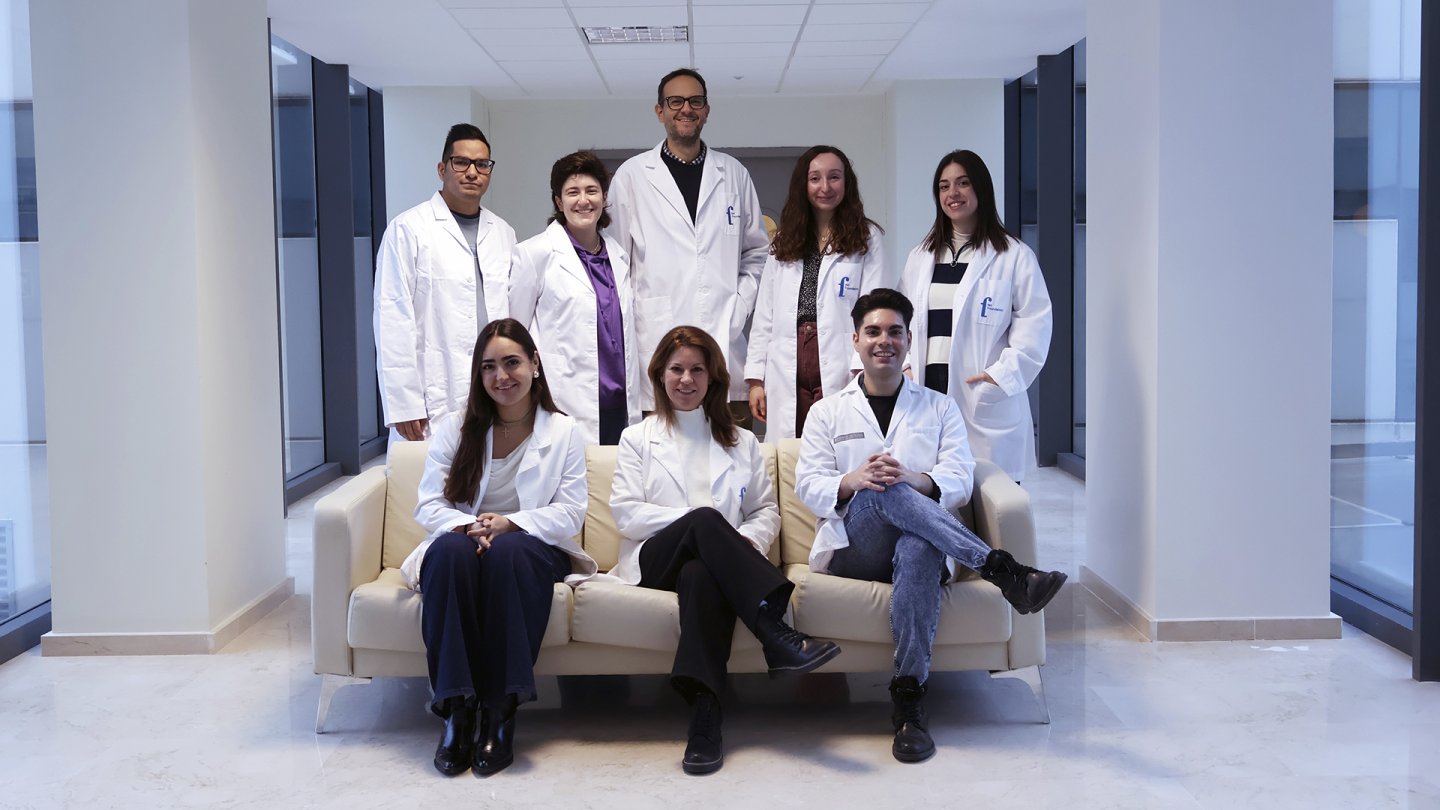
This innovative model, which uses primary stromal and epithelial cells, provides a unique platform to observe interactions between embryonic cells and maternal cells during the earliest stages of pregnancy. In addition, it allows the study of the cellular composition and spatial distribution of the developing embryo, opening new avenues for research into the fundamental processes of implantation.
The significance of this model lies in the fact that it offers the first opportunity to study complete embryo development up to day 14 outside the maternal uterus. This represents a crucial advance for improving our understanding of implantation failure, one of the main causes of infertility in women. The model provides the scientific community with a powerful tool to investigate the reasons behind these failures and how early cellular interactions may influence pregnancy success.
The model also has important clinical applications, as it can be used to study patients with implantation disorders, enabling the development of personalized treatments based on the specific characteristics of each case. In this way, it opens the door to more precise and personalized medicine in the field of fertility.
This research, carried out in collaboration with institutions such as Stanford University (USA) and the Babraham Institute (United Kingdom), not only advances our understanding of the embryo implantation process but also has the potential to transform the way fertility problems are addressed, offering new solutions for women facing implantation failure and difficulties in carrying a pregnancy to term.
Molè MA, Elderkin S, Zorzan I, Penfold C, Horsley N, Pokhilko A, Polanek M, Palomar A, Sinha M, Wang Y, Quiñonero A, Androulidakis C, Acton R, Balmanno K, Jarman A, Srinivasan J, Bendall A, Morales-Álvarez S, Yagüe-Serrano R, Heywood K, Harbottle S, Vasilic M, Cawood S, Seshadri S, Serhal P, Weavers L, Sarris I, Mania A, Gibbons R, Laurier L, Sánchez-Ribas I, Mercader A, Alamá P, Bui AH, Burton GJ, Cindrova-Davies T, Fernando RC, McCarthy A, Aghajanova L, Nel-Themaat L, Lathi RB, Cook SJ, Niakan KK, Dunn AR, Domínguez F, Rugg-Gunn PJ. Modeling human embryo implantation in vitro. Cell. 2025 Dec 23:S0092-8674(25)01232-2. doi: 10.1016/j.cell.2025.10.027. Epub ahead of print. PMID: 41443191.
Share new


