

News
Cuenta Ciencia 2026: IIS La Fe brings together experts to address how to communicate science in the era of disinformation
The Health Research Institute La Fe (IIS La Fe) has held the second edition of CUENTA CIENCIA, a conference focused this year on a key challenge for the scientific and healthcare system: communicating and disseminating science in a context shaped by disinformation.
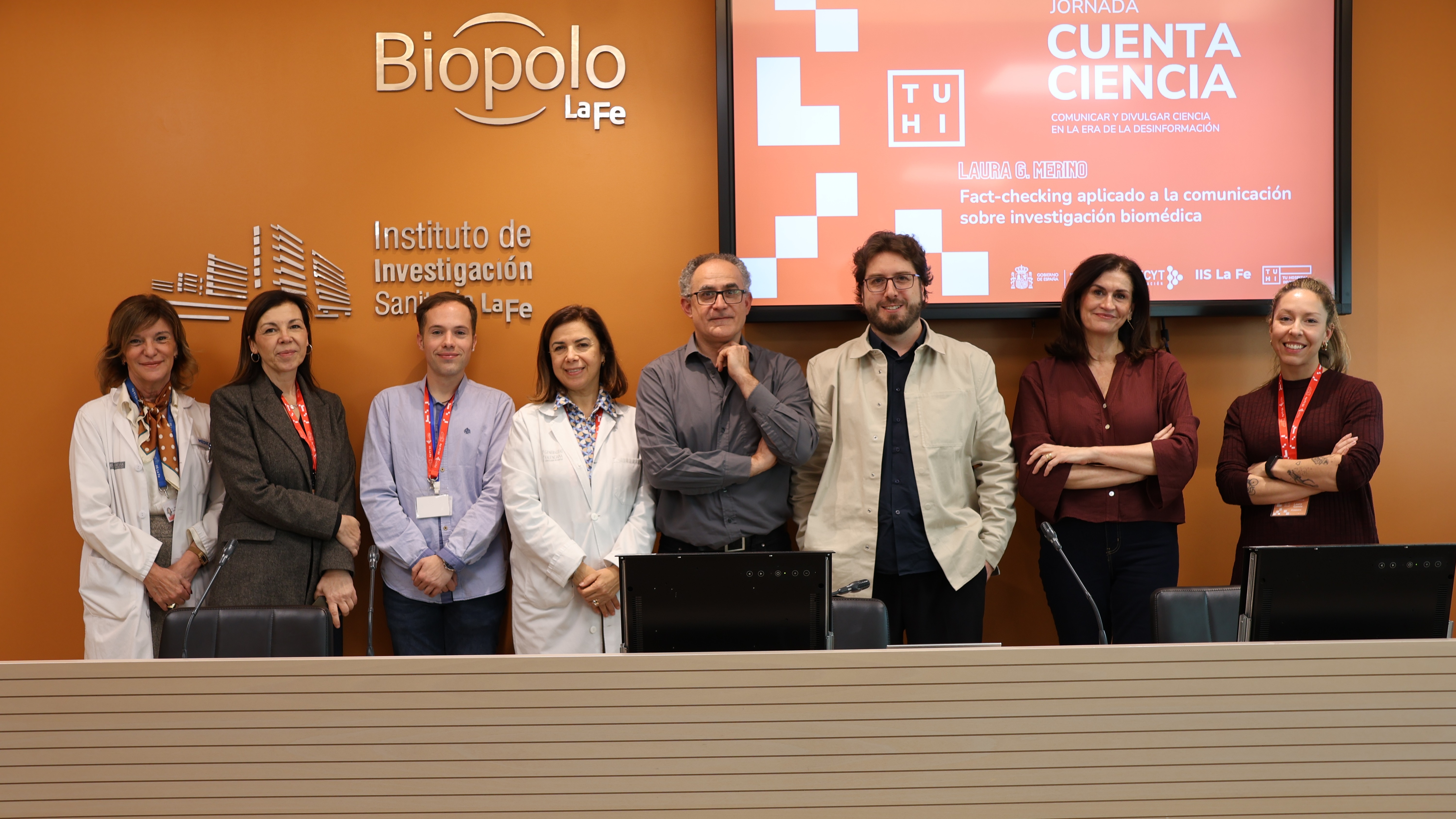
The initiative, framed within the UCC+I activity programme, brought together researchers, journalists, fact-checkers and science communication professionals to reflect on the mechanisms that drive the spread of false content and to share practical tools to address them with rigour.
During the opening session, speakers stressed that disinformation is not an isolated phenomenon but a structural challenge that directly affects public trust, the quality of public debate, and the fields of health and research. In an environment characterised by information overload and the speed of social media, communicating science clearly and responsibly is a shared task for researchers, managers, communicators and institutions.
Neuroscience to understand why we believe misinformation
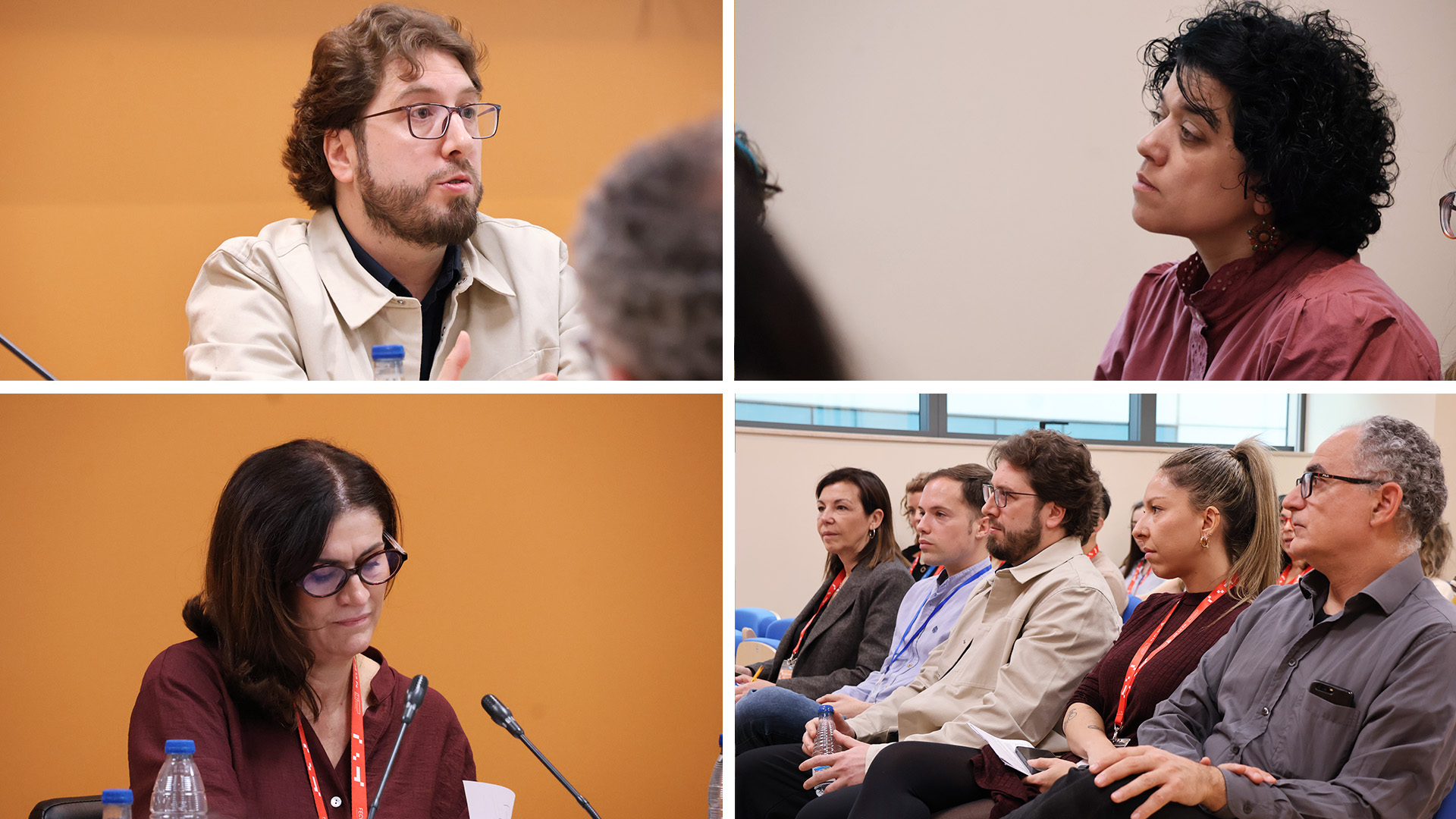
The keynote lecture, delivered by psychologist and researcher Javier Rodríguez Árbol (University of Jaén), explored the neurocognitive mechanisms involved in disinformation. He explained how specific communication interventions can modify neural processing and reduce the tendency to believe and share false content.
Dr Rodríguez Árbol presented research conducted by the Complexmind Research Group ("Systems and Complex Organisms", BIO-302) at the University of Jaén, which identified the brain areas activated when processing manipulated information. Using electroencephalography, the team detected activation in regions associated with learning, memory and decision-making following exposure to institutional campaigns about disinformation. This activation fosters greater critical attention to subsequent content and reduces the predisposition to share unverified information.
The key takeaway: critical thinking can be trained, and understanding how we process information is essential for designing more effective science communication strategies.
How misinformation is created - and how science can be communicated rigorously
The second part of the conference addressed disinformation from the perspectives of verification, science journalism, science outreach and open science.
Laura García Merino, coordinator of Maldita Ciencia, outlined common patterns underlying scientific misinformation: emotional appeal, extreme simplification and narratives designed for virality. Understanding how misinformation emerges and evolves, she noted, is essential for professionals working in science and public health.
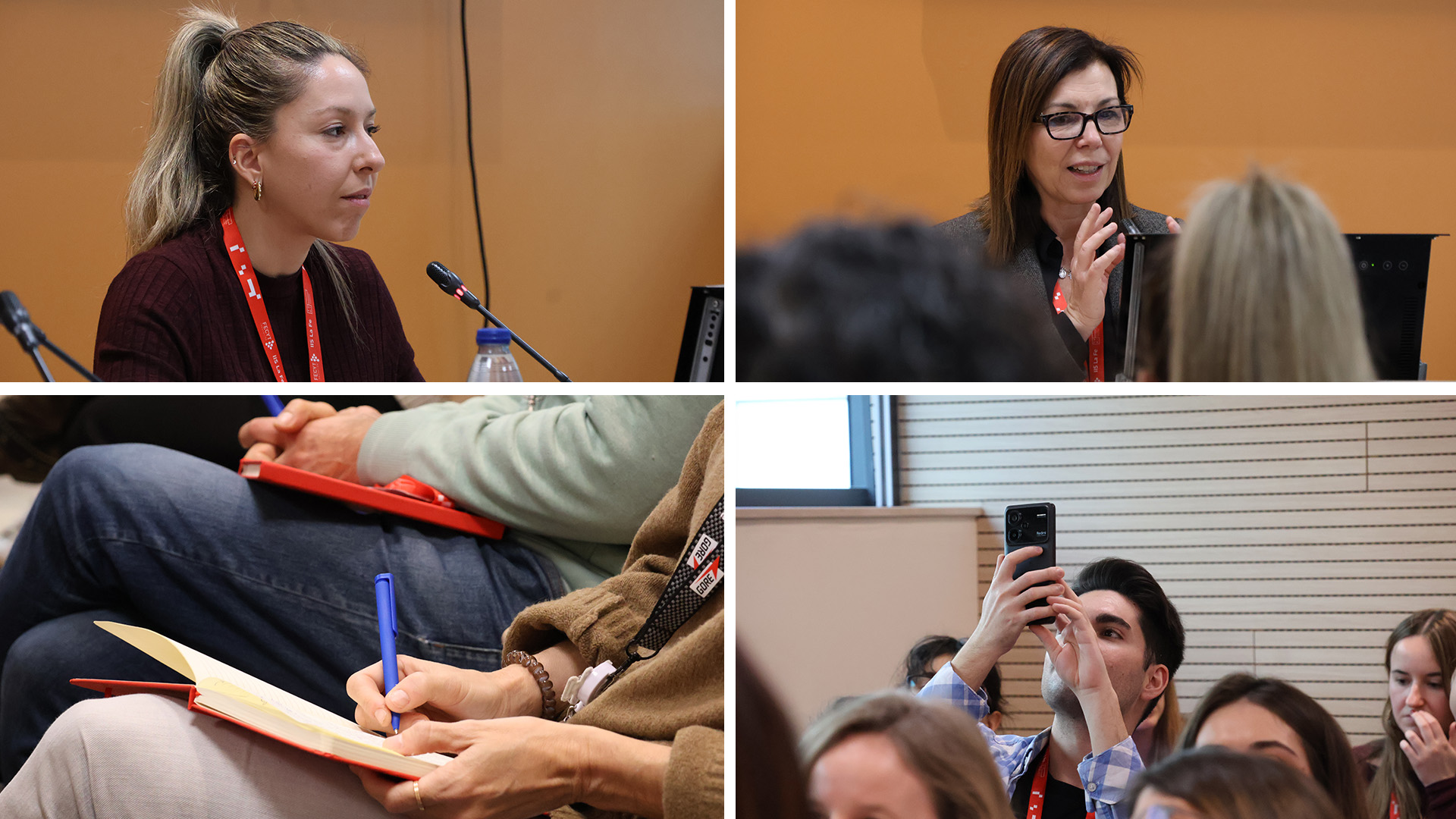
Journalist Xelo Gimeno (À Punt) then examined the reverse process: how scientific evidence is translated into the public sphere. Between the laboratory and the headline lies a complex path that requires verifying sources, contextualising findings and making decisions under pressure in an accelerated media environment.
From the perspective of outreach, researcher Adrián Villalba (IIS La Fe-Fundación IVI) reflected on the role of scientists as communicators in a context where rigour competes with simpler and more emotional messages. Science outreach requires balancing clarity and precision to avoid oversimplification.
The conference concluded with a talk by Alexandre López-Borrull (Open University of Catalonia, UOC), who analysed whether open science can serve as a structural response to disinformation. Transparency in data and research processes is key to strengthening trust, he argued, but access to information must be accompanied by scientific literacy and critical skills.
From reflection to practice: fact-checking workshop
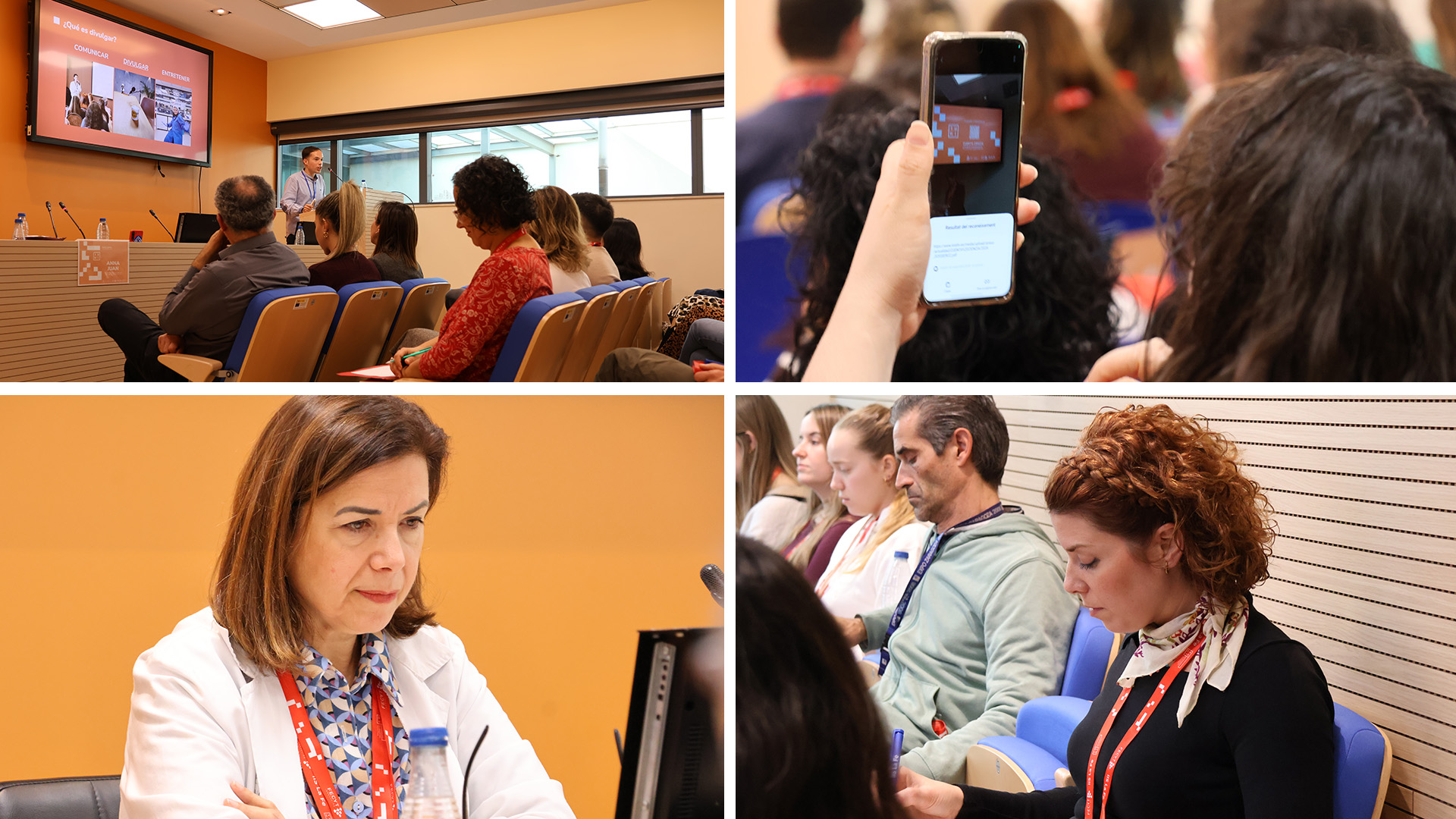
The afternoon session featured a practical fact-checking workshop applied to biomedical communication. Participants worked on real cases to practise distinguishing between evidence, correlation and opinion, identifying misinterpretations and improving accuracy in communicating research findings.
A globally recognised challenge
The issues addressed during the conference reflect a widely documented global context. According to the Digital News Report 2025 by the Reuters Institute, 58% of the world's population is concerned about their ability to distinguish true from false information online. In Spain, the figure rises to 69%, placing the country among the most concerned in Europe.
International organisations have highlighted the structural dimension of the phenomenon. Reports by UNESCO and Ipsos indicate that a large majority of citizens believe that information manipulation undermines democratic processes.
In the same vein, the World Economic Forum includes disinformation among the top short-term global risks in its Global Risks Report 2025, alongside extreme weather events, geopolitical conflicts and cybersecurity threats.
With this second edition of CUENTA CIENCIA, IIS La Fe reinforces its commitment to rigorous, transparent and socially responsible science communication.
CUENTA CIENCIA 2026 is part of the II UCC+I IIS La Fe Activity Programme funded by FECYT.

Share new


